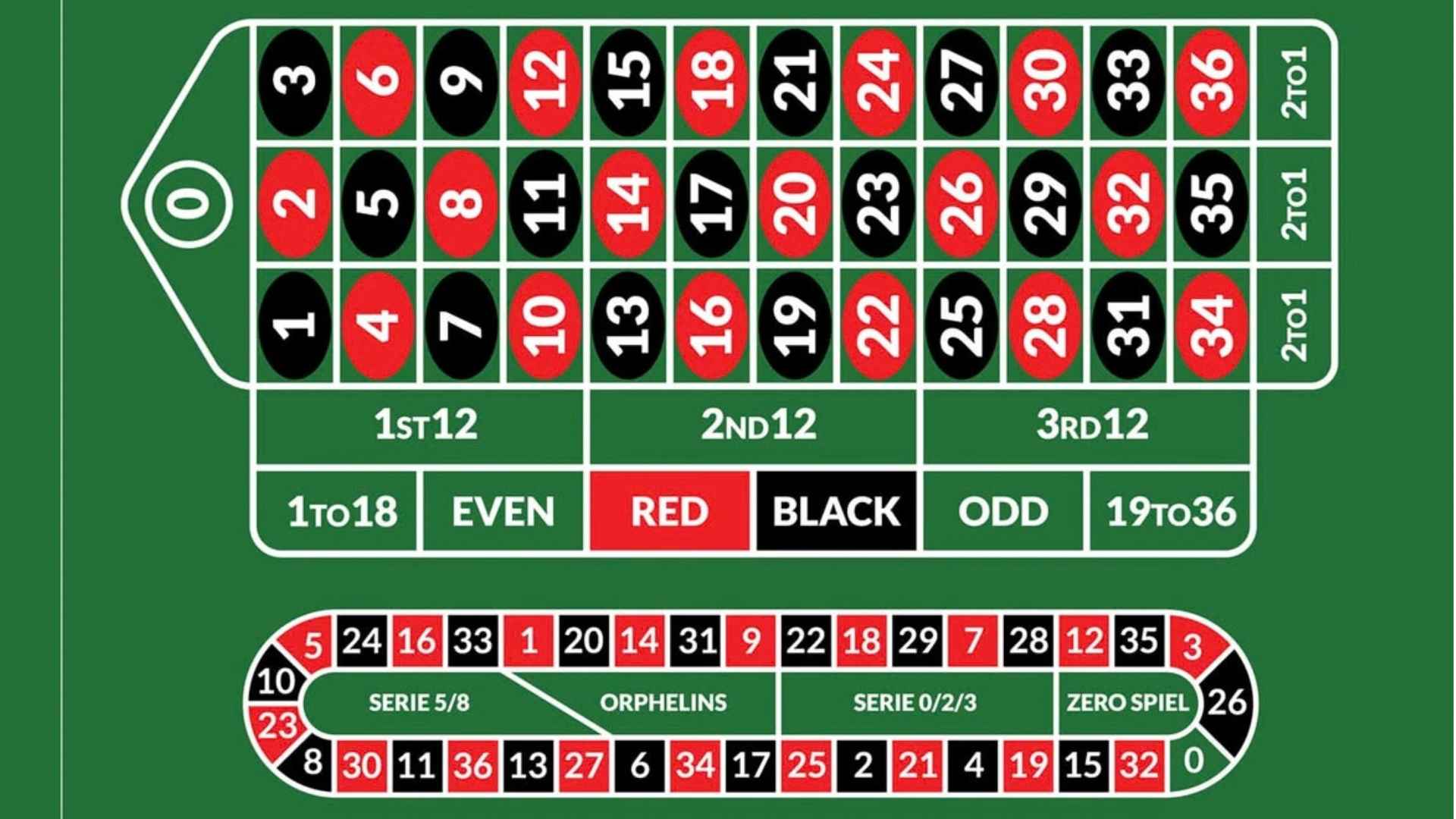
Securing a string of consecutive victories creates a powerful psychological shift that alters how individuals evaluate risk and reward. This sense of invincibility often leads people to believe that their temporary success is driven entirely by personal skill rather than variance or luck. Understanding the underlying cognitive mechanics helps players and decision-makers maintain emotional balance during a winning streak.
The Cognitive High of the Hot Hand Effect
When individuals experience back-to-back successes, the human brain naturally searches for patterns to explain the positive outcomes. This cognitive phenomenon, frequently referred to as the hot hand belief, creates an illusion that future success is statistically guaranteed. As a result, players often increase their stakes and make bolder choices based on momentum rather than sound strategy.
Neurologically, repeated rewards trigger a steady release of dopamine that reinforces risky behaviors. This neurochemical feedback loop enhances self-confidence while simultaneously muting the brain's natural threat perception. Over time, the sensation of control overwhelms objective analysis, making even uncalculated risks feel completely manageable.
How Overconfidence Distorts Risk Sensitivity
As winning streaks continue, overconfidence bias quietly creeps into the decision-making process. Decision-makers begin to attribute fortunate outcomes entirely to superior talent while dismissing external factors like luck or timing. Consequently, risk management protocols are frequently loosened or discarded altogether during high-conviction moments.
Many enthusiasts exploring games such as m88 slot encounter this psychological transition during extended gaming sessions. Recognizing that short-term success does not alter long-term odds is essential for long-term emotional sustainability. Without strict self-awareness, the feeling of invincibility can quickly lead to severe financial or tactical setbacks.
The Transition from Calculation to Impulsivity
In the initial stages of a session, individuals typically rely on methodical planning and conservative risk evaluation. However, continuous victories shift reliance from deliberate logic to rapid, emotional impulse. This strategic drift makes it increasingly difficult to adhere to established limits or recognize when to step away.
Psychologists note that the pain of a future loss is heavily discounted while a person feels untouchable. The desire to capitalize on perceived momentum creates a false urgency to keep pushing forward. Unchecked impulsivity often turns a profitable run into a sudden, unexpected deficit.
Building Resilience and Emotional Control
Maintaining a grounded perspective requires deliberate effort and structured behavioral boundaries. Setting clear profit targets and loss limits before starting any strategic activity prevents emotions from dictating future actions. Treating each decision as an independent event helps neutralize the dangerous cognitive bias of invincibility.
Ultimately, long-term success relies on maintaining discipline regardless of short-term results. Cultivating mental awareness allows individuals to celebrate victories without losing respect for risk. By mastering emotional governance, players can enjoy successful runs while protecting their overall resources.