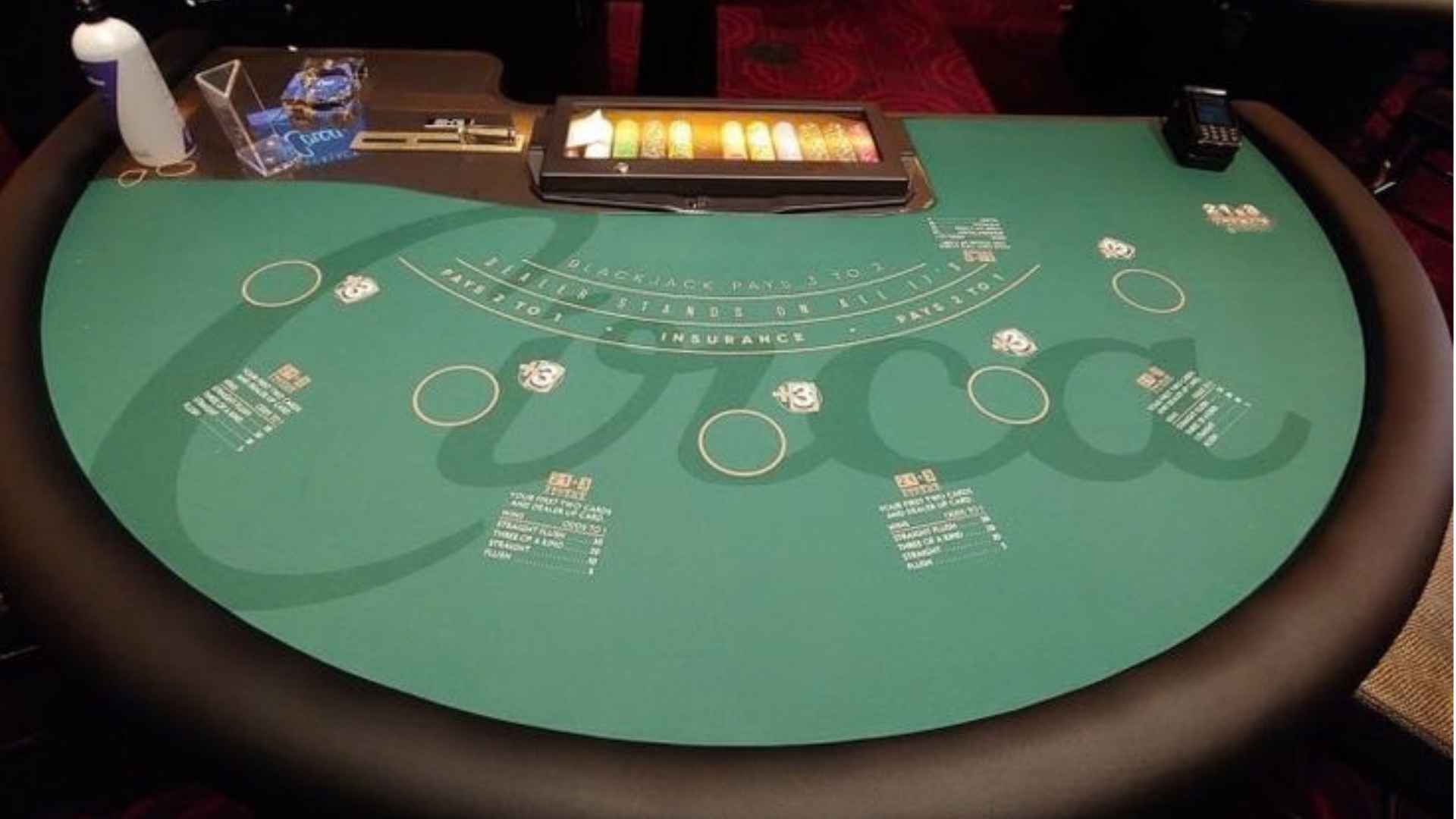
Blackjack has maintained its status as a timeless casino classic primarily because it rewards skill, patience, and deliberate execution over blind luck. While anyone can experience a short-term winning streak, seasoned players know that achieving long-term sustainability requires a calculated approach to every single hand. By shifting your focus toward mathematical probabilities and strict personal guidelines, you can significantly mitigate the house edge and elevate your overall table performance.
The Core Value of Strategic Decision Frameworks
The absolute foundation of sustainable blackjack success rests upon the disciplined application of basic strategy charts rather than relying on gut feelings. These frameworks dictate the mathematically optimal choice for every possible card combination based entirely on your total and the dealer's visible upcard. Consistently following these rules eliminates emotional guesswork, protecting your session budget from impulsive mistakes during high-pressure situations.
For instance, an essential baseline rule is to always stand when holding a hard total of 17 or greater because the statistical probability of busting is far too high. Conversely, experienced strategists will aggressively hit on soft totals to maximize their point potential while leveraging the flexible nature of the Ace. Exploring professional platforms via an M88 slot destination or dedicated table game lobbies offers an ideal space to practice these mathematical parameters safely.
Maximizing Mathematical Value on Advantageous Hands
Beyond standard hitting and standing, mastering the mechanics of splitting pairs and doubling down is where sharp players truly generate their long-term value. A non-negotiable standard among successful card enthusiasts is to always split a pair of Aces or a pair of 8s, regardless of the dealer's layout. This practice either breaks up a notoriously weak starting total of 16 or sets up two separate, highly potent pathways toward a perfect 21.
Doubling down represents another powerful defensive mechanism when used selectively against a vulnerable dealer upcard, such as a 4, 5, or 6. This tactical maneuver becomes exceptionally profitable when your initial two-card distribution totals a hard 10 or 11, placing you in a prime position to land a high-value face card. However, players must exercise restraint and avoid doubling on risky soft hands when the dealer exhibits strong counter-cards.
The Critical Role of Risk Mitigation and Discipline
Even the most perfect execution of card strategy will ultimately falter without a structured and unwavering approach to managing your session bankroll. Savvy table participants establish a precise, ironclad budget before placing their first wager and completely refuse to chase losses during natural downswings. A widely respected rule of thumb involves restricting individual hand wagers to a tiny fraction, typically one to five percent, of your total operating funds.
Maintaining full cognitive clarity ensures that you remain committed to proven percentages rather than falling prey to common casino superstitions or cognitive biases. Recognizing the perfect moment to step away from the digital or physical felt is just as vital as knowing how to play the cards in your possession. By blending mathematical precision with strict personal discipline, you preserve both your active funds and the entertainment value of the game.